
By alphacardprocess October 1, 2025
Higher payment processing fees today are hitting many small and mid-sized businesses hard. Every time a customer uses a card to pay, a portion of the sale goes toward banks and card networks that add up quick and eat into profits. To assist with this, business owners are opting to enroll in cash discount programs. These programs incentivize consumers to use cash, and can reduce or even eliminate the card fee cost to the business.
Besides that, options like “zero-fee” solutions, are growing increasingly popular as an option for businesses that want to manage processing costs without compromising on service. This is a big deal for Pennsylvania merchants. Whether you have a bustling store Philadelphia or Pittsburgh, or own a small shop in the suburbs or rural Pennsylvania, there are unique challenges and customer needs. Adjusting a pricing model can be beneficial to your bottom line, but it’s crucial to do so correctly and within every rule.
In this post, we’ll explore how cash discount programs function, the good and the bad of using one, and what you need to know about the rules. With the right information and a trustworthy payment processor, Pennsylvania business owners can decide if these programs fit their goals, customers, and plans for growth.
What Are Zero-Fee and Cash Discount Programs?

There are two approaches merchants can choose when setting up these programs, Zero Fee and Cash Discount. They may sound similar, but the mechanics are quite different.
So the zero-fee program passes the cost of credit card processing fees directly onto the customer by adding a surcharge. When a shopper pays with a credit card, an additional fee is added to cover the merchant’s transaction cost. The business owner will receive the full purchase price, but it may also create friction with customers who are sensitive to additional charges.
Cash discount programs offer a lower price to customers who pay with cash. Instead of surcharging, there is already a card processing cost built into the listed price, and customers receive a discount when they pay with cash. Many merchants view this as a more customer-friendly alternative, since it feels like an incentive.
Both zero-fee and cash discount programs communicate directly with merchants’ POS system and payment processor to ensure fees or discounts are appropriately assessed. A well-set up merchant account and terminal are also critical for compliance, receipt formatting, and customer disclosure.
For Pennsylvania retailers it is important they understand these differences when deciding if zero-fee and surcharging or cash discount programs better align their customers and business strategy.
Legal and Regulatory Landscape in Pennsylvania
Before adopting zero-fee or cash discount programs, Pennsylvania merchants must navigate a complex legal and regulatory framework. At the federal level, the Durbin Amendment and Dodd-Frank Act outline merchant rights, while surcharging rules are influenced by card brand policies from Visa, Mastercard, Discover, and American Express. These card networks permit surcharges under strict conditions, including disclosure, signage, and caps on fees.
Cash discount programs are usually seen differently. Because the discount is given for cash payments instead of adding a fee, card networks and regulators often prefer them. However, merchants still need to follow specific rules to make sure the program is a true discount and not an unauthorized surcharge.
In Pennsylvania, surcharges on credit card transactions are allowed but closely regulated. State consumer protection laws focus on fairness and transparency, so merchants must clearly tell customers about any price differences. Not providing clear signs or calling a surcharge a discount can lead to compliance problems or legal issues.
Clear communication is essential for cash discount programs. Merchants should post signs at the entrance and checkout, and show the discount clearly on receipts. Partnering with an experienced payment processor can help you follow both state and federal rules.
In the end, Pennsylvania merchants who want to use zero-fee or cash discount programs need to balance saving money with following consumer protection laws and card brand rules.
Benefits of Zero-Fee and Cash Discount Programs
The first and foremost benefit for Pennsylvania merchants to accept zero-fee or cash discount programs is savings. Traditional credit card processing fees can eat into margins, especially for small businesses operating on a tight budget. Merchants can dramatically lower, or even eliminate, monthly processing costs by passing on the burden of fees or incentivizing cash payments.

Another major advantage is improved margins. Restaurants, retail shops, and service providers often operate with thin profit margins, and even small fee reductions can make a measurable difference. For high-ticket industries like auto repair or medical services, zero-fee and cash discount programs can save hundreds or thousands of dollars each month.
Cash discount programs also promote cash payments, which do not have to be netted against card settlements when received. This quicker access of funds leads to stronger cash flow and less reliance on the credit card networks.
Flexibility is another strength. Merchants can customize these programs by industry type, average transaction amount or customer base. For instance, a convenience store might decide to implement cash discount programs because its customers are used to cash vs. card pricing, while a boutique retailer may opt for a zero-fee model.
Finally, these programs support long-term sustainability. As interchange and assessment fees rise, zero-fee and cash discount programs enable small business owners to remain competitive with their larger competitors that can better absorb higher costs.
Potential Drawbacks and Risks
While the savings from zero-fee and cash discount programs can be substantial, merchants must also weigh the potential drawbacks.
One major risk is pushback from customers. Some customers may dislike an additional fee at check-out, while others could see cash discount programs as a motivation to continue carrying paper cash in a world where digital payments are on the rise. Miscommunication or inadequate signs can cause the customers to feel tricked, damaging long-term trust.
There’s also the potential for competitive disadvantage. If a local competitor is not offering zero-fee or cash discount programs, price sensitive consumers may choose to shop there. This is the case in the competitive urban parts of Pennsylvania where shoppers have a lot of options.
Compliance complexity is another challenge. Both zero-free and cash discount programs must be properly designed and implemented to meet card brand rules and applicable state laws. Setup or receipt formatting errors can result in fines, chargebacks, or even getting your merchant account terminated.
Loyalty programs can also be affected. Credit card rewards customers may feel penalized when confronted with surcharges or encouraged to abandon cards in favor of cash. Such a change could influence customer behavior in unintended ways.
Finally, merchants risk brand perception issues. While saving money through a Cash Discount Program can be framed as a positive, zero-fee programs can appear like “nickel-and-diming.” But success is largely determined by how the program is communicated and whether customers feel it’s fair and transparent.
Customer Perception and Psychology
The way customers view zero-fee or Cash Discount Program is important for their success over time. In Pennsylvania consumers are all over the map. Urban customers in Philadelphia or Pittsburgh may be more accustomed to digital wallets and card rewards, so they might not see surcharges as a positive thing. Conversely, cash based rural areas may embrace “Cash Discount Program” as an easy means to save.
Psychologically, framing matters. When a Cash Discount Program is offered as an incentive, rather than a punishment, customers are much more likely to have favorable reactions. For example, “Save 4% when you pay with cash” communicates a sense of gain; meanwhile, “Pay 4% more for using a card” may seem punitive.
Transparency is also critical. Customers aren’t surprise clear with signage at the entrances, menus and checkouts clear. As long as people know that cash discount programs are simply one more tool to help businesses better afford processing costs and keep small stores competitive, they tend to be supportive.
By highlighting the savings and explaining the purpose, Pennsylvania merchants can align cash discount programs with community values, framing them as a tool for local business sustainability rather than an inconvenience for shoppers.
Implementation Best Practices
Successfully rolling out cash discount programs in Pennsylvania requires careful planning and execution. Merchants that rush implementation without compliance or customer communication in mind are putting their reputations in risk.
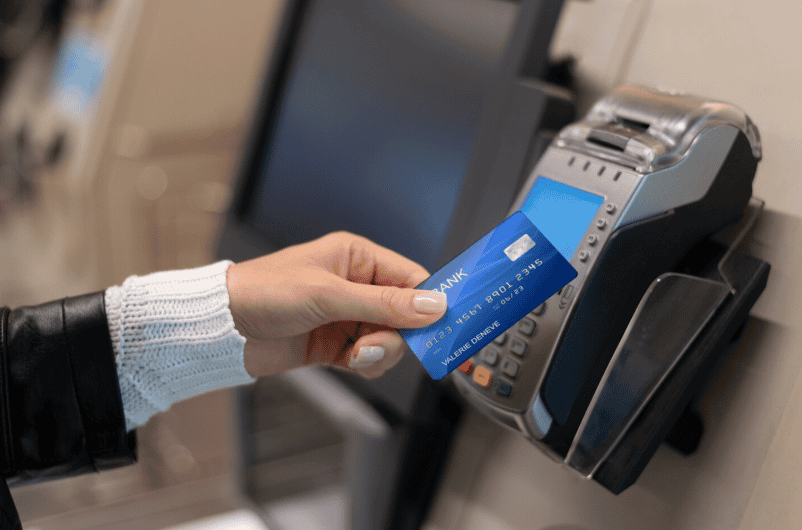
- The starting point is to partner with a compliant payment processor. Not all systems are programmed to accommodate cash discount programs and it is important to choose a provider that has accurate receipt language and automatic fee calculations. This facilitates accuracy and minimizes regulatory concerns.
- Staff training is equally important. Employees should also be able to explain cash discount programs to customers in a manner they can understand. A little script like, “We give a discount for cash payments; it’s one of the ways we keep costs low,” can flip what might have been an awkward encounter into something positive.
- Customer communication also plays a major role. Signage at the entrance, checkout, and menus should make it clear that a cash discount is available. Transparent disclosure builds trust and prevents negative surprises.
- From a technical point of view, POS systems and terminals need to be set up correctly. Most current POS systems are equipped with integrated cash discount programs functionality, which allows business owners to attribute the program without affecting their daily routines. Testing the system before going live is strongly recommended.
- Finally, pilot testing can help retailers in assessing customer reaction. Being able to test the cash discount program in store or for a short period of time gives businesses an opportunity to get a feel for their audiences, before rolling out at full scale. By starting small and scaling gradually, Pennsylvania merchants can build confidence in the program while fine-tuning their approach.
In summary, the success of Cash Discount Program is heavily influenced by the right technology and clear communication, along with a methodical implementation plan which ensures compliance and customer confidence in mind.
Conclusion
For Pennsylvania merchants, cash discount programs and zero-fee solutions represent powerful tools to combat rising payment processing costs. By shifting some of the burden back to customers—or incentivizing cash use—businesses can reclaim thousands of dollars each year that would otherwise go to processing fees.
The secret to success is knowing about the pros and cons. cash discount programs increase margins and accelerate cash so you can focus on what matters most – your business. Conversely, when implemented poorly or without transparency, there can be customer pushback or regulatory issues, as well as damage to brand perception.
Every merchant needs to consider its industry, location and customers. Urban retailers with cutthroat competition may hesitate, but businesses such as gas stations and convenience stores or service-based industries will often find the cash discount program a right option.
FAQs
1. Are cash discount programs legal in Pennsylvania?
Yes. cash discount programs are legal in Pennsylvania as long as they are implemented properly. Merchants must clearly disclose the program with signage and accurate receipts. The distinction between a legal cash discount and an illegal surcharge depends on following both federal guidelines and card network rules.
2. How do zero-fee programs work with debit cards?
Zero-fee programs typically apply only to credit card transactions. Debit card fees are regulated separately and cannot usually be passed on in the same way. Merchants offering cash discount programs need to configure their POS systems to ensure debit transactions are handled correctly.
3. Will offering a cash discount hurt customer loyalty?
When communicated poorly, yes—it can cause frustration. But if positioned as a reward for paying with cash, most customers view cash discount programs positively. Pennsylvania businesses that highlight savings rather than fees often see stronger loyalty rather than weaker.
4. Can small businesses use these programs, or are they better for larger merchants?
Cash discount programs work for both small and large merchants. In fact, small businesses often benefit more, since they lack the negotiating power to secure lower interchange rates. By offsetting fees, they can protect slim margins and stay competitive.
5. How do I know if my payment processor supports compliant zero-fee or cash discount programs?
Merchants should ask their provider directly whether their POS and terminals are set up for cash discount programs. A compliant payment processor will provide signage, receipt templates, and automated fee calculation tools to ensure businesses meet both federal and card network standards.
Leave a Reply